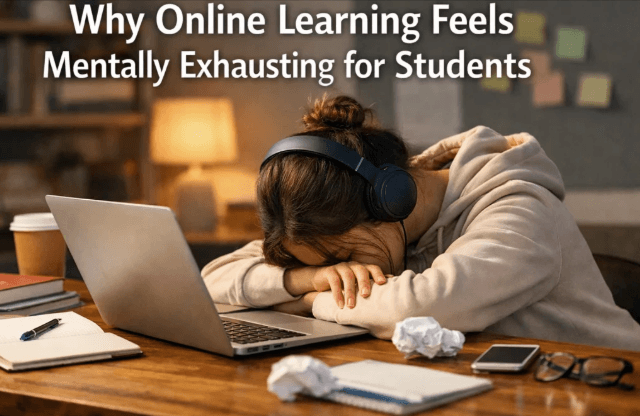
Online learning has become a core part of modern education in the United States, offering flexibility through virtual classrooms, recorded lectures and digital assignments. However, many students also report increased levels of mental fatigue, stress and difficulty maintaining focus in digital learning environments.
Recent education and psychology discussions highlight that prolonged screen exposure, reduced social interaction, and lack of structured routines can contribute to emotional exhaustion among students.
This article explores the key reasons behind online learning fatigue and provides practical strategies to manage academic stress in a healthier way.
Understanding the Emotional Pressure Behind Online Learning
The shift toward online education changed more than just classrooms. It changed the way students interact with teachers, manage time and deal with academic pressure. Many students initially believed online courses would feel easier but the reality has been very different.
The Constant Screen Exposure Creates Mental Fatigue
Spending several hours daily attending virtual lectures, completing digital assignments and preparing for exams can drain mental energy quickly. Excessive screen exposure often leads to headaches, poor concentration and emotional exhaustion.
Students who spend most of their day on laptops or smartphones may notice reduced motivation and increased frustration during study sessions. Over time this digital fatigue affects productivity and emotional balance.
Isolation Can Increase Academic Stress
Traditional classrooms naturally encourage communication and social interaction. Online learning however can feel lonely for many students. Without regular conversations with classmates or teachers students sometimes feel disconnected from the learning process.
This isolation may increase feelings related to online exam anxiety especially when students feel they must handle academic pressure completely on their own.
Lack of Routine Makes Learning Harder
Physical classrooms provide structure. Online learning requires students to create their own routines which can be difficult for those already dealing with stress or anxiety.
Many students struggle with procrastination, inconsistent sleep schedules and poor time management. These habits gradually increase mental pressure and make studying feel emotionally exhausting.
Why Online Exams Feel More Stressful for Students
Online exams may seem convenient but they often create unique forms of anxiety that many students are not prepared to handle.
Fear of Technical Problems During Exams
One of the biggest concerns students face during virtual tests is technology failure. Internet interruptions, software issues or submission errors can create panic moments during important exams.
This uncertainty contributes heavily to online exam anxiety because students worry about factors beyond their academic preparation.
Increased Pressure to Perform Independently
In online learning environments, students receive less immediate help from instructors. Many learners feel intense pressure to manage coursework independently without guidance or encouragement.
In such situations, some students look for academic support for overloaded students to manage their workload alongside personal responsibilities.
Because of this some students begin searching for services using phrases like “do my online class when academic responsibilities become difficult to manage alongside personal obligations.
Distractions at Home Affect Performance
Studying from home sounds comfortable but home environments often include distractions such as noise, family responsibilities or social media interruptions. These distractions reduce concentration and increase stress levels before exams.
Students may spend more time trying to regain focus than actually studying effectively.
See also: Crypto Retirement Planning
Common Test Anxiety Symptoms Students Experience
Academic stress affects students differently but there are several common emotional and physical signs connected to exam pressure.
Difficulty Sleeping Before Exams
Students dealing with test anxiety symptoms often struggle to sleep before important assessments. Racing thoughts and fear of failure can make relaxation difficult.
Poor sleep then affects memory concentration and emotional stability during exams.
Panic and Overthinking
Some students experience panic while preparing for tests. They may repeatedly doubt their preparation even after studying for long hours.
Overthinking small mistakes or imagining worst-case scenarios can significantly increase emotional exhaustion.
Loss of Motivation and Confidence
Continuous academic pressure sometimes causes students to lose confidence in their abilities. When stress becomes overwhelming motivation decreases and students may avoid studying completely.
This emotional burnout can negatively impact both academic performance and mental health.
Healthy Online Exam Stress Solutions Students Can Try
Managing stress in online education requires practical habits and emotional balance. Students who build healthy routines often cope better with academic pressure.
Create a Realistic Study Schedule
One of the most effective online exam stress solutions is creating a balanced study plan. Instead of studying for long hours without breaks students should divide tasks into smaller manageable sessions.
This approach improves focus and reduces mental fatigue.
Take Short Breaks Between Study Sessions
Continuous studying often lowers concentration. Short breaks help refresh the mind and improve information retention.
Simple activities like stretching, walking or stepping away from screens for a few minutes can improve emotional balance during stressful academic periods.
Limit Digital Distractions
Students can improve productivity by reducing unnecessary notifications and social media usage while studying. Creating a quiet and organized study environment also helps improve concentration.
Avoid Comparing Yourself With Others
Social media and online academic discussions sometimes create unrealistic pressure. Every student learns differently and comparison often increases anxiety unnecessarily.
Focusing on personal progress rather than competition can reduce emotional stress significantly.
How Students Can Stay Calm During Online Exams
Learning how to stay calm during exams is important for both academic performance and mental well-being.
Practice Controlled Breathing
Breathing exercises can help students reduce nervousness before and during exams. Slow breathing helps calm the body and improve focus during stressful situations.
Prepare Early Instead of Last-Minute Studying
Last-minute preparation increases panic and confusion. Students who study consistently over time usually feel more confident before exams.
Creating a preparation timeline also helps reduce emotional pressure.
Keep Healthy Sleep Habits
Rest is essential for concentration and memory. Students should avoid staying awake all night before exams because lack of sleep increases stress and reduces mental clarity.
Practical Exam Anxiety Tips for College Students
Many students experience emotional pressure during online learning but small daily habits can make a major difference.
Stay Connected With Friends and Classmates
Talking with classmates about coursework or academic challenges can reduce feelings of isolation. Emotional help often improves motivation and confidence.
Ask Professors Questions Without Fear
Some students hesitate to contact instructors when they feel confused. Asking questions early prevents stress from building over time.
Focus on Learning Instead of Perfection
Students often create unrealistic academic expectations for themselves. Trying to achieve perfection in every assignment can quickly lead to burnout.
Accepting gradual improvement helps maintain healthier mental balance.
Why Some Students Look for Outside Academic Support
The growing pressure of online education has increased demand for academic assistance and coursework services. Students balancing jobs, internships and family responsibilities sometimes feel overwhelmed by constant deadlines.
Because of this pressure some individuals search phrases like “pay someone to do my online class” while looking for temporary academic service during stressful periods. Others search “pay someone to take my online class” when managing multiple responsibilities becomes emotionally exhausting.
While services may help students manage workloads, long-term academic success still depends on healthy study habits, proper time management and maintaining emotional well-being throughout the learning process.
How to Overcome Exam Stress in a Healthier Way
Students do not need to ignore emotional exhaustion simply to succeed academically. Building healthier learning habits can improve both mental health and academic performance.
Prioritize Mental Wellness
Mental health is just as important as grades. Students should allow themselves time to rest, recharge and recover from stressful academic periods.
Create Boundaries Between Study and Personal Life
Studying in the same space all day can increase emotional fatigue. Creating separate routines for learning and relaxation helps students maintain balance.
Seek Professional Help if Stress Becomes Severe
Persistent anxiety, panic or emotional exhaustion should not be ignored. Speaking with counselors, academic advisors or mental health professionals can provide valuable help.
Conclusion
Online learning has made education more flexible but it has also introduced emotional challenges that many students never expected. Constant screen exposure isolation , academic pressure and exam-related stress continue affecting student mental health across colleges and universities.
Understanding these challenges is the first step toward building healthier learning habits. By improving routines, managing stress effectively and seeking help when necessary students can create a more balanced and productive online learning experience without sacrificing their mental well-being.
Frequently Asked Questions
What is online exam anxiety?
Online exam anxiety is the stress or nervousness students experience before or during virtual exams. It can affect concentration, confidence and overall academic performance.
What are common test anxiety symptoms students experience?
Common test anxiety symptoms include difficulty sleeping, panic before exams, racing thoughts, sweating, lack of focus and fear of failure during tests or assignments.
How can students stay calm during online exams?
Students can stay calm during exams by preparing early practicing breathing exercises avoiding distractions and maintaining healthy sleep routines before test days.
What are some effective online exam stress solutions?
Helpful online exam stress solutions include creating a realistic study schedule, taking short breaks, reducing screen distractions and staying physically active during study periods.
How to overcome exam stress in online learning?
Students can learn how to overcome exam stress by improving time management, staying organized, avoiding last-minute studying and focusing on consistent learning habits instead of perfection.
Author Bio
James Smith is an academic writer who regularly writes about student life online learning challenges productivity and academic stress management for college students.